
Mastering the CTA
The Call-to-Action (CTA) button is not just a mere button; it's the bridge between content and conversion. In the realm of email marketing, understanding where to place this bridge and how often can make the difference between a successful campaign and a missed opportunity.
CTA Placement Strategy
The Prominent CTA: Transforming Reader Actions
A clear, standout CTA is crucial in guiding readers towards the desired action. In the past, one of our clients saw significant results by adding a distinct, eye-catching "See Offer Details" button near the top of their email. This prominent placement, combined with a contrasting color and clear verbiage, resulted in a 340% increase in clickthrough rate (CTR). The message is clear: the CTA's clarity, design, and positioning can amplify its impact.
CTA at the Email's Top: Direct Engagement Potential
Placing the CTA at the top ensures immediate visibility. One of our clients in the B2B sector made a change: they relocated their mid-email CTA to the top and emphasized its value proposition. This shift resulted in a 15% increase in CTR. However, this placement might feel too direct if not presented with adequate context or rapport.
Pros: Immediate visibility, high potential for early engagement, can preempt skimming if presented compellingly.
Cons: May seem too direct, might deter readers if there's insufficient context or rapport-building.
Mid-Email CTA: Synchronizing with Content Flow
CTAs positioned here align with the content's flow, potentially catching readers when their interest peaks. They can serve as a natural progression, encouraging readers to take action after engaging with compelling content. However, there's a caveat: if the CTA isn't prominent or distinguishable, it risks getting overshadowed by surrounding content. It's a balance between integration and emphasis.
Pros: Aligns with the flow of content, captures readers when their interest may peak, can provide a smooth transition between content and action.
Cons: Risk of being overshadowed if not prominent, may get lost if readers are skimming.
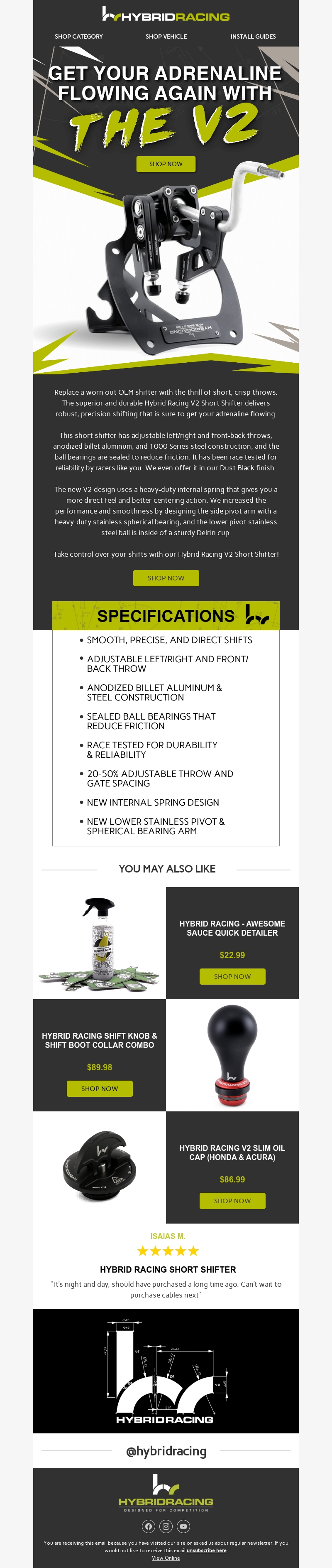
Concluding CTA: A Strategic Final Prompt
This position feels intuitive. After presenting all the information, readers are prompted to act. Yet, considering the skimming habits prevalent among many email readers, there's a risk. If the preceding content doesn't sufficiently engage, the CTA might not get the attention it deserves. Thus, while it's a natural concluding touch, it requires compelling content to lead up to it.
Pros: Intuitive positioning, builds on the preceding content, feels like a natural conclusion.
Cons: Dependent on preceding content's engagement, may be missed if readers skim or don't read to the end.
Evaluating Multiple CTAs vs. Single CTA
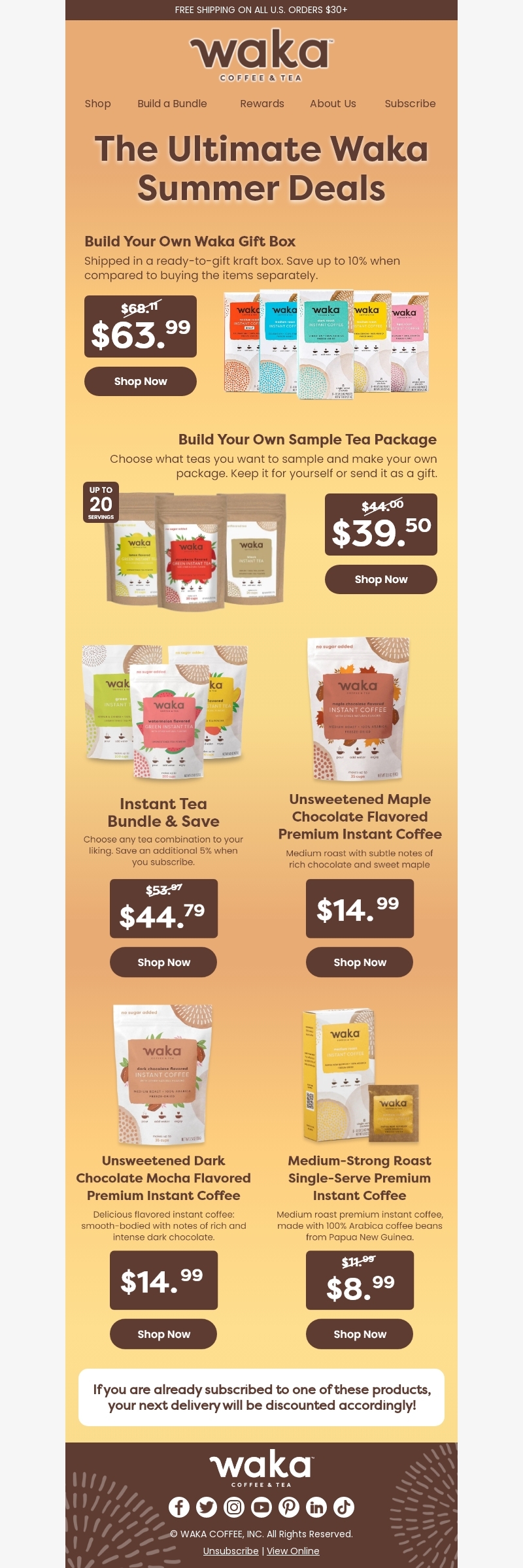
While CTAs offer opportunities for engagement, their optimal number can vary depending on the context and the target audience. For instance, during our work with a food and beverage brand, we found that minimizing the number of CTAs and highlighting only the most essential actions resulted in a 43% increase in CTR. However, it's crucial to understand that what works for one brand might not work for another. It's always beneficial to test the number and placement of CTAs to determine what resonates best with your audience.
Pros: Increases the chance of engagement at different points, and accommodates varied reader behaviors.
Cons: Can dilute the main message, risk of overwhelming or confusing the reader.

Conclusion
Achieving an email open is only half the battle. Guiding readers towards the desired action with CTAs requires strategy and finesse. While placement is important, the clarity and resonance of the message are equally vital. Before delving into advanced personalization techniques, ensuring the CTA's clarity and prominence often proves to be the most effective tactic.

Nikola Milošević - Growth Strategist @ The Better Creative. Updated October 19, 2023